
Debunking Common Myths About Asbestos Removal
Understanding Asbestos and Its Risks
Asbestos is a naturally occurring mineral once widely used in construction due to its durability and heat resistance. However, it poses significant health risks, including lung cancer and mesothelioma. Despite these risks, many myths about asbestos removal persist, leading to confusion and misinformation.
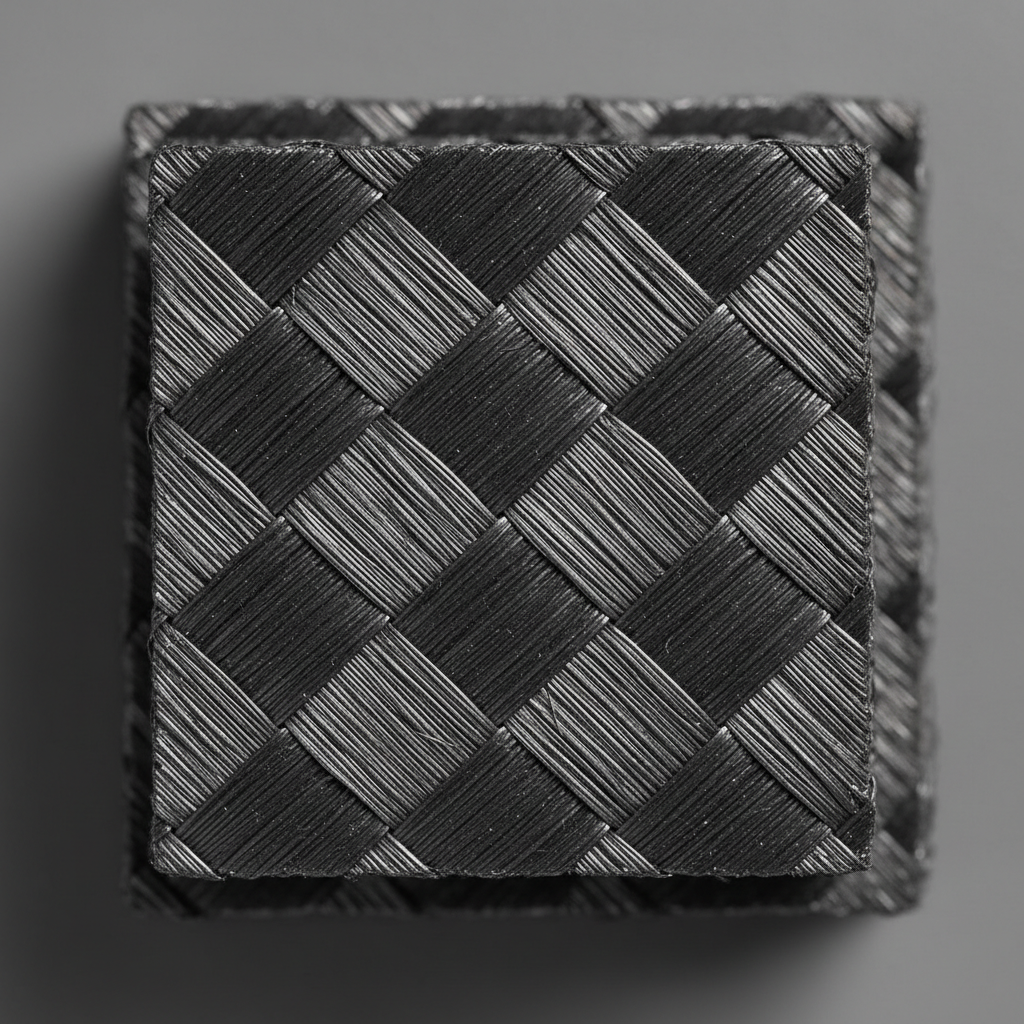
Myth 1: Asbestos Removal Is Always Necessary
One common misconception is that asbestos must always be removed from a building. In reality, if the asbestos-containing material is in good condition and undisturbed, it may not pose an immediate threat. In such cases, encapsulation or enclosure might be a safer and more cost-effective solution than removal.
Myth 2: DIY Asbestos Removal Is Safe
Some believe they can handle asbestos removal on their own to save money. This is extremely dangerous because improper handling can release asbestos fibers into the air, posing a severe health risk. It's essential to hire licensed professionals who are trained to manage asbestos safely.
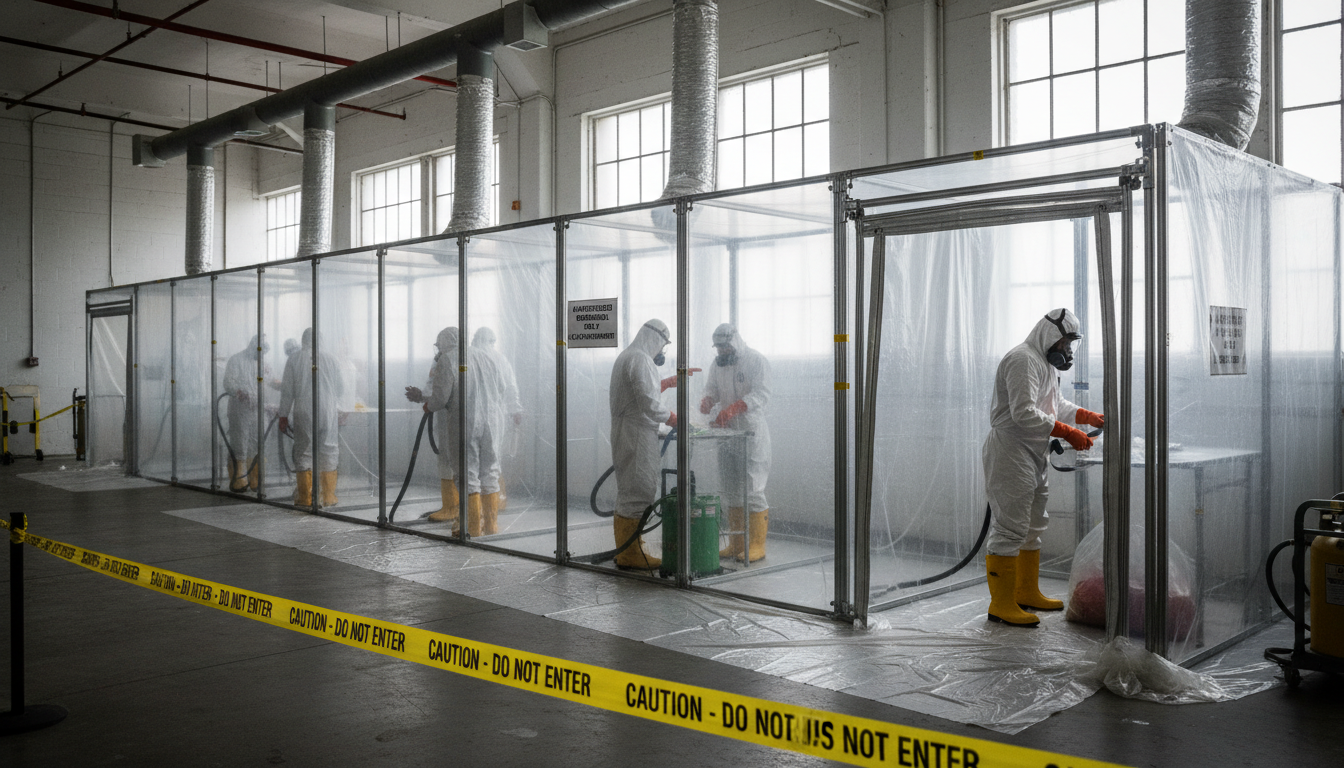
The Reality of Professional Asbestos Removal
Hiring professionals ensures that asbestos is removed under strict safety protocols. These experts use specialized equipment and protective gear, minimizing health risks during the process. Trusting professionals not only ensures safety but also compliance with regulations.
Myth 3: Asbestos Removal Is Unaffordable
While asbestos removal can be costly, it is a necessary investment in health and safety. Many companies offer flexible payment plans and financing options to make the process more affordable. The cost of removal is often outweighed by the peace of mind and safety of a contamination-free environment.

Myth 4: All Asbestos Is the Same
Not all asbestos is alike. There are six types, with chrysotile being the most common. Understanding the specific type present in a building is crucial for determining the appropriate removal or management strategy. Professionals can identify and handle each type appropriately.
Conclusion: Making Informed Decisions
Debunking these myths is essential for making informed decisions about asbestos in your home or workplace. Always prioritize safety and consult with experts to determine the best course of action. Remember, when it comes to asbestos, knowledge and professional guidance are your best tools.