
Case Study: Successful Hazardous Material Removal in Abilene
Introduction to Hazardous Material Removal
Hazardous material removal is a critical service that ensures the safety and health of communities. In Abilene, a recent project demonstrated how effective management and execution could lead to successful outcomes. This case study highlights the strategies and processes involved in a significant hazardous material removal operation.
The project focused on a site that had been a concern for local residents due to potential environmental and health risks. The project team was tasked with identifying, removing, and disposing of various hazardous materials safely and efficiently.

Project Planning and Assessment
The first step in the process was a comprehensive assessment of the site. Experts conducted soil and water tests to determine the extent of contamination. These assessments helped in planning the removal strategy, ensuring all hazardous materials were identified and categorized.
A detailed project plan was developed, outlining the steps necessary for a successful removal. This included securing permits, coordinating with local authorities, and establishing safety protocols to protect workers and nearby residents.
Execution of Removal Process
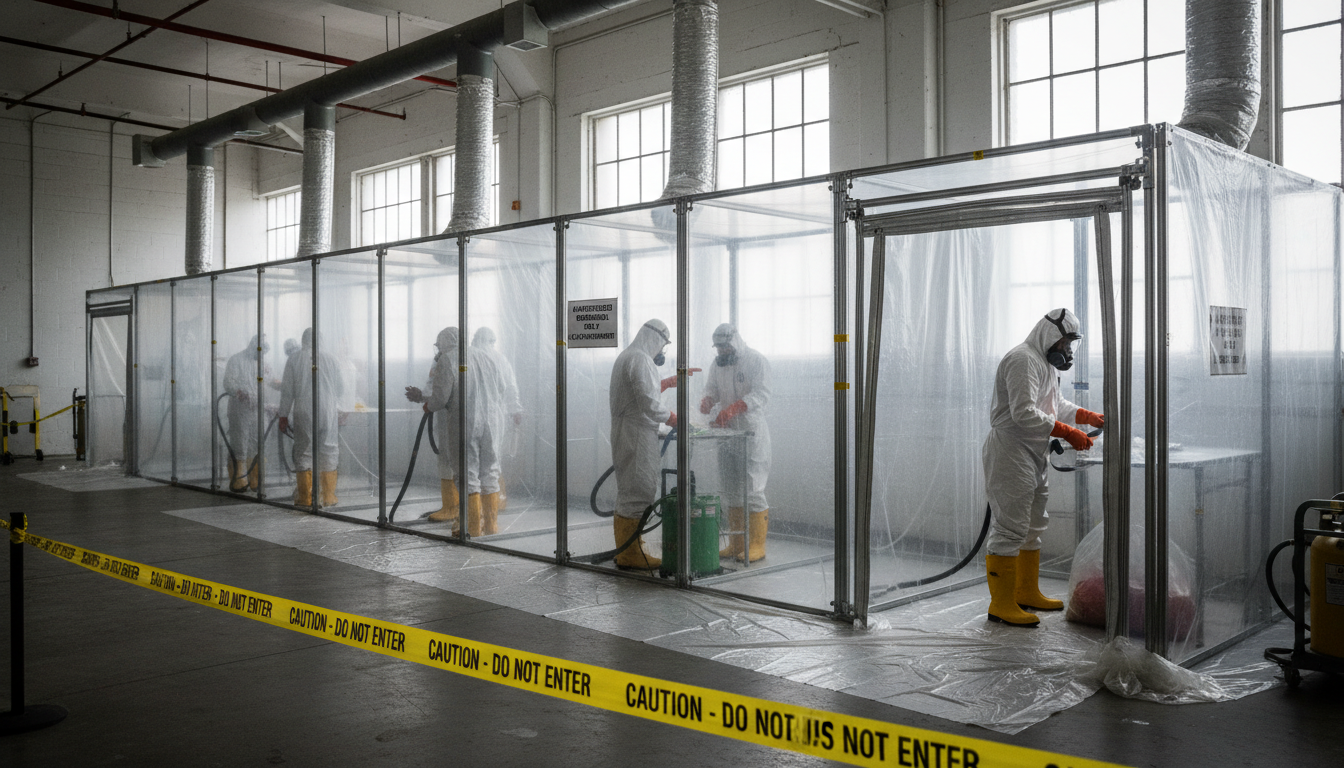
Once the planning phase was complete, the removal process began. The team employed advanced equipment and techniques to safely extract hazardous materials without causing further environmental damage. This involved using specialized containers and transport vehicles designed for hazardous waste.
The removal process was meticulously documented, with each step recorded to ensure compliance with environmental regulations. This transparency was crucial in maintaining trust with the community and relevant authorities.
Community Engagement and Communication
Throughout the project, communication with the local community was prioritized. Regular updates were provided to residents, addressing concerns and keeping them informed about the progress and safety measures in place.
Community engagement included public meetings, newsletters, and a dedicated hotline for inquiries. This open communication helped alleviate fears and fostered a sense of collaboration between the project team and the community.
Successful Completion and Outcomes
After several months of diligent work, the hazardous material removal project in Abilene was successfully completed. The site was declared safe, and the environmental conditions were restored to acceptable levels. This outcome was a testament to the effectiveness of the planning and execution strategies employed.
Post-project assessments showed a significant reduction in environmental risks, and the area is now poised for redevelopment. The success of this project has set a benchmark for future hazardous material removal initiatives in the region.

Lessons Learned and Future Implications
This case study highlights important lessons for similar projects. Key takeaways include the importance of thorough planning, effective communication, and community involvement. These elements were crucial in ensuring the project's success and can serve as a guideline for future endeavors.
With the completion of this project, Abilene has demonstrated how communities can effectively manage hazardous material challenges. The methodologies and strategies applied here could be replicated in other regions facing similar issues, paving the way for safer and healthier environments.